Piphat Dukdamban: How Chulalongkorn University Keeps a Rare Thai Musical Tradition Alive
What is Piphat Dukdamban? Piphat dukdamban is a rare form of Thai classical music that emerged during the reign of King Rama V. Unlike the bright, powerful sound of conventional piphat ensembles, it is known for its softer and more refined musical character. Its development was influenced by European opera and eventually became part of a theatrical form combining music, singing and acting.
What is Piphat Dukdamban? Piphat dukdamban is a rare form of Thai classical music that emerged during the reign of King Rama V. Unlike the bright, powerful sound of conventional piphat ensembles, it is known for its softer and more refined musical character. Its development was influenced by European opera and eventually became part of a theatrical form combining music, singing and acting.
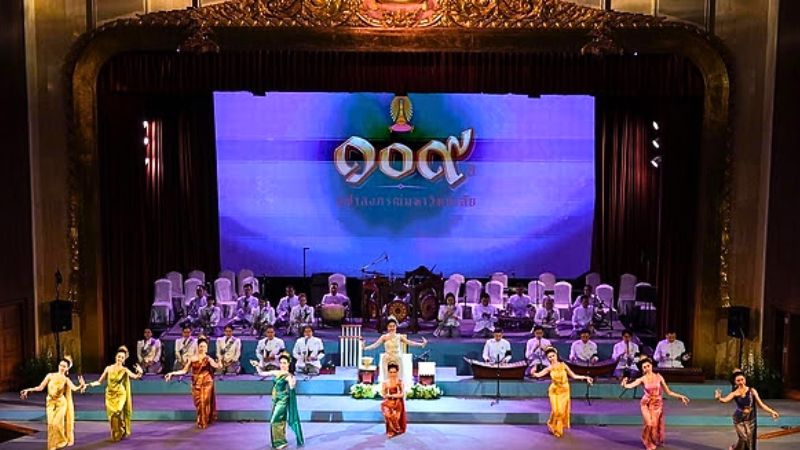
For nearly four decades, Chulalongkorn University has been keeping alive a rare sound from Thailand’s musical past: piphat dukdamban, a classical Thai ensemble known for its soft, deep and refined character.
Once performed at the end of the 19th century, the tradition nearly disappeared. Today, the university is giving a new generation the chance not only to hear it, but to learn, perform and carry it forward.
Each year on March 26, as part of Chulalongkorn University’s anniversary celebrations, more than 150 musicians, vocalists and dancers come together for a performance of piphat dukdamban. This year’s production took more than three months to prepare, transforming an almost forgotten musical tradition into a living performance once again.

A different side of Thai classical music
Piphat dukdamban does not sound quite like the bright and powerful piphat ensemble often heard in Thai ceremonies and khon performances.
Its sound is gentler, darker and more intimate.
The ensemble emerged during the reign of King Rama V, when Prince Narisara Nuvadtivongs drew inspiration from European opera and experimented with the traditional piphat orchestra. Gentler instruments and new musical ideas created a distinctly different sound.
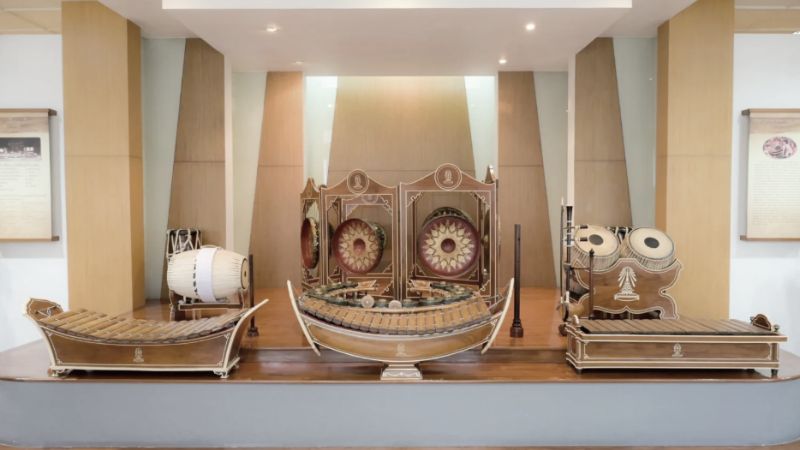
The music soon found a place in a new form of Thai theatre developed by Chao Phraya Thewet Wongwiwat, in which performers acted and sang as part of the production. It became something resembling a Thai interpretation of opera, performed for visiting foreign dignitaries.
But traditions depend on more than their artistic value. They also need places, performers and audiences.
When the Dukdamban Theatre closed and social conditions changed, opportunities to perform the music became increasingly rare. By the middle of the 20th century, only a small number of practitioners remained.
Bringing an almost-lost tradition back to life
The revival began in 1985, when Chulalongkorn University launched a dedicated preservation project ahead of the 60th birthday celebrations of His Majesty King Bhumibol Adulyadej The Great.
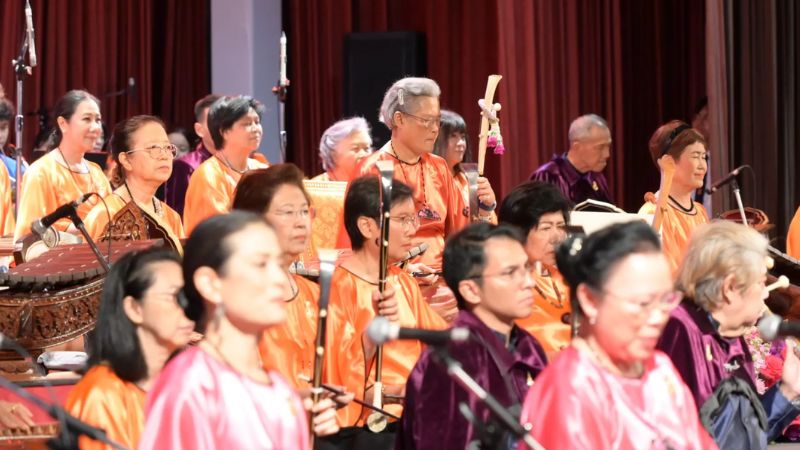
Thai music scholars and master musicians were brought together to document the repertoire and train a new generation of performers.
Since 1987, piphat dukdamban has been performed annually at Chulalongkorn University, turning preservation into something more than an archive. The music is played, heard and experienced by new audiences.
That distinction matters.
A musical tradition can survive on paper, in recordings and inside museum collections. But it becomes truly alive when people continue to perform it.
“Preserving piphat dukdamban requires skilled musicians, sustained institutional support, and audiences willing to keep the tradition alive,” said Kunchit Jitratan, Director of the Chulalongkorn University Office of Art and Culture.

Chulalongkorn has approached that challenge through education as well as performance. The Faculty of Fine and Applied Arts has incorporated piphat dukdamban into its curriculum, meaning Thai music students have the opportunity to study the repertoire as part of their education.
The university’s Office of Art and Culture also maintains an extensive collection of Thai music resources, including instruments, recordings, research materials, photographs and archival documents, which are available to the public.
When preservation becomes a living practice
There is something quietly powerful about bringing an old musical language into a room filled with young performers.
Piphat dukdamban was shaped by musicians who were themselves looking outward, absorbing ideas from European opera and reshaping them through Thai musical traditions. Its history is therefore not simply about protecting the past. It is also a story about experimentation, exchange and reinvention.
More news from Thailand: Tomorrowland Comes to Asia: Why Bangkok Secured a Five-Year Deal
Nearly 140 years later, its survival depends on the same thing that has always kept music moving: people willing to listen, learn and make it their own.
At Chulalongkorn, a sound that once seemed destined to disappear continues to find new performers.
And perhaps that is what cultural preservation looks like at its best: not keeping the past behind glass, but giving it another chance to be heard.
Why This Matters Beyond Thailand
The story of piphat dukdamban is not so different from what happens in musical theatre, classical music and the performing arts around the world.
A tradition survives when people find new reasons to encounter it.
Broadway and West End productions regularly return to older musicals through revivals. Classical orchestras revisit forgotten composers and rarely performed works. Museums and performing-arts archives digitise old recordings, photographs and scores so that artists and audiences can discover them again.
The principle is much the same: preservation is not simply about keeping something unchanged. It is about creating the conditions for it to be heard, studied and reimagined.
For the creative music industry, that offers an important lesson. Traditional music does not have to remain locked in the past to remain authentic. Its history can become a starting point for new performances, new research, new compositions and new ways of reaching audiences.
Chulalongkorn University’s work with piphat dukdamban shows what that can look like in practice: an almost-forgotten musical language is being kept alive through education, performance and access to its history.
For musicians and cultural organisations elsewhere, the challenge is familiar. How do we honour what came before while giving the next generation a reason to listen?
Read the full article by Chulalongkorn University, here.