Abu Dhabi Is Building a Music Culture from the Ground Up. But What Does It Take to Build an Entire Musical Ecosystem?
Building a Music City: What Abu Dhabi Can Learn from Europe and America
Building a Music City: What Abu Dhabi Can Learn from Europe and America
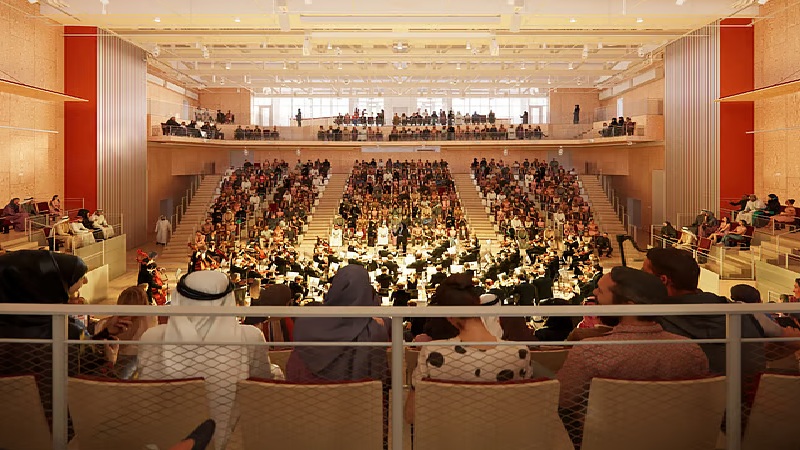
From free music education for children to the development of a professional talent pipeline, the Youth Orchestra Abu Dhabi represents a longer-term cultural ambition that goes beyond the concert hall.
Abu Dhabi is making a significant investment in its musical future, and the ambition extends considerably further than establishing another youth orchestra.
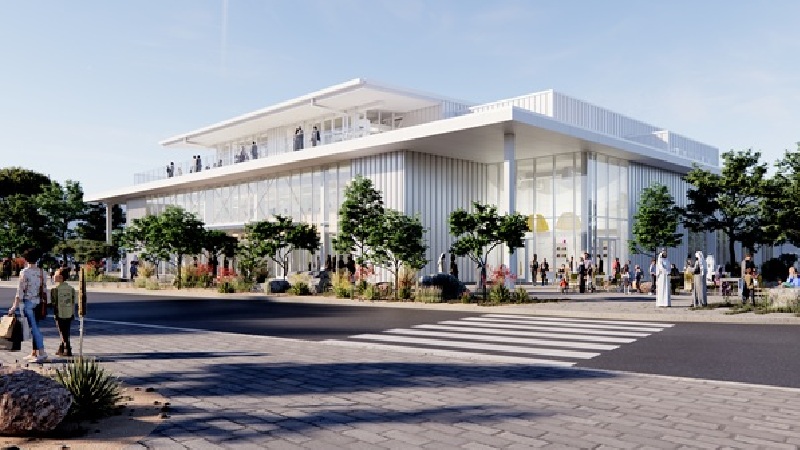
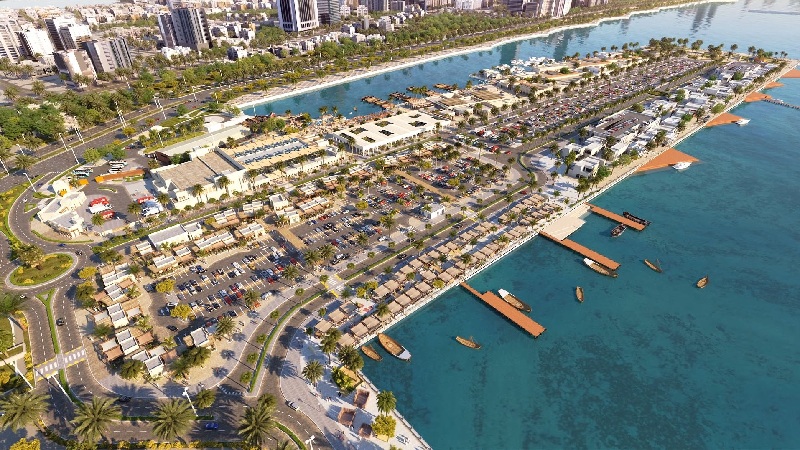
The Department of Culture and Tourism – Abu Dhabi (DCT Abu Dhabi) has announced that the new home of Youth Orchestra Abu Dhabi will open in January 2027 in the Mina Zayed (MiZa) district. Designed by the late internationally acclaimed architect Frank Gehry, the institution will feature a 600-seat concert hall alongside 18 rehearsal and practice rooms.

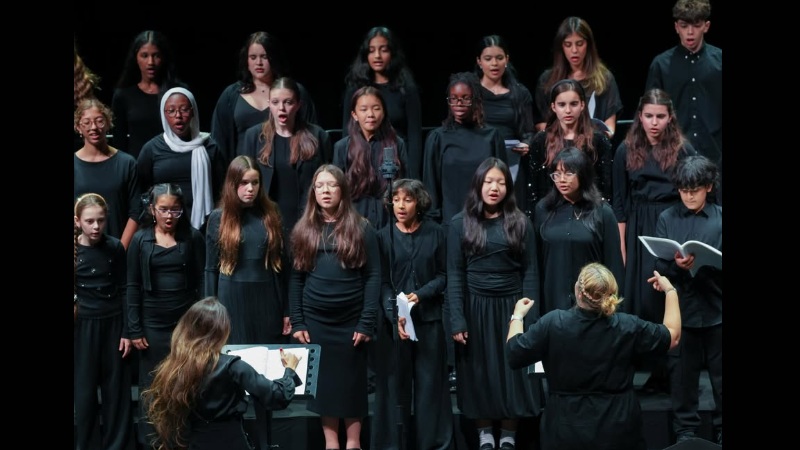
Its first intake will welcome 100 children aged between six and nine, with free access to professional-standard music education covering both Western classical music and Arabic musical traditions.
At first glance, this appears to be an investment in music education. But viewed within the wider context of Abu Dhabi’s cultural ambitions, it represents something more substantial: an attempt to build a sustainable music culture from the ground up.
And that is considerably harder than building a concert hall.
Building the Audience, the Musicians and the Industry
Establishing a musical institution is one thing. Developing an entire ecosystem around it is another.
Abu Dhabi’s decision to begin with children aged six to nine is particularly significant. Rather than focusing exclusively on recruiting accomplished young musicians, the programme is creating an entry point for children who may have little or no previous musical experience.
This is where long-term cultural development begins.
A sustainable music culture requires more than talented performers. It needs children who grow up listening to music, parents who understand the value of musical education, teachers who can nurture potential, and institutions capable of supporting musicians throughout their development.
The process could eventually extend from kindergarten and primary school music programmes to specialist secondary education, youth ensembles, conservatoire-level training and professional orchestras.
However, the development of such a pathway requires a substantial investment in people.
For every accomplished musician on stage, there are usually years of education, mentorship, rehearsal and institutional support behind them. There are also music teachers, conductors, accompanists, instrument technicians, librarians, producers and administrators making the entire operation possible.
This is the invisible infrastructure of a musical culture.
Abu Dhabi’s challenge will be to develop that infrastructure alongside its physical facilities.
What Can Abu Dhabi Learn from Europe and the United States?
Europe offers one of the most established models of institutional music development.
Countries such as Germany, Austria and the United Kingdom have built extensive networks of music schools, conservatoires, publicly supported orchestras, opera houses and cultural institutions.
The strength of the European model lies in its institutional continuity. Music education is not necessarily treated as an isolated extracurricular activity but as part of a wider cultural and educational framework.
Children can progress through different levels of training, eventually entering specialist institutions and professional ensembles. Public funding, established traditions and long-standing educational structures help sustain this system across generations.
The United States, meanwhile, developed a different but equally influential musical ecosystem.
Its strength lies in the relationship between education, private investment, universities, conservatories, philanthropy and a powerful commercial entertainment industry.
Beyond classical music, the American system has created opportunities across jazz, popular music, recording, musical theatre, film scoring and music production.
Its entertainment industry provides an enormous professional marketplace for talent, supported by commercial studios, record labels, promoters, agents and touring networks.
Neither model can simply be transplanted into Abu Dhabi.
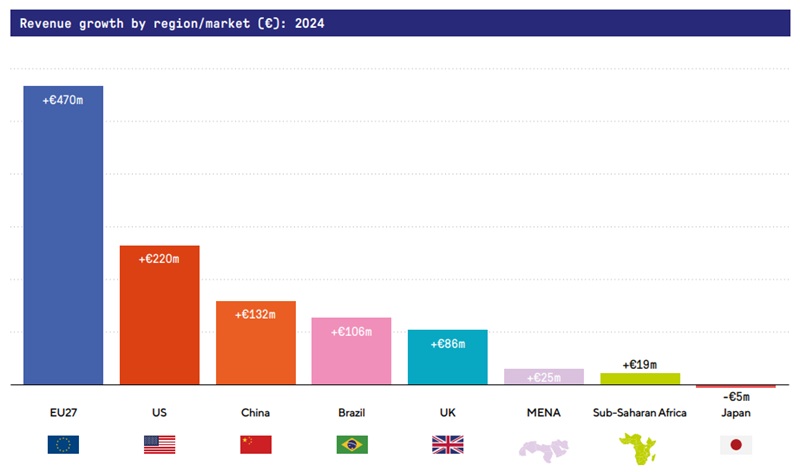
The European system benefits from centuries of institutional development, while the American entertainment industry is supported by an enormous domestic market and established commercial networks.
Abu Dhabi has an opportunity to develop something different: a hybrid model that combines the educational depth of European institutions with the professional opportunities, creative industries and international connectivity associated with the American entertainment ecosystem.
Importantly, it can also place Arabic musical traditions at the centre of its cultural development rather than treating them as an addition to Western classical education.
The challenge is to make these different musical worlds part of the same institutional conversation.
Five Foundations for Building a Sustainable Music Culture
If Youth Orchestra Abu Dhabi is to become a cornerstone of the emirate’s musical future, five areas of development will be particularly important.
1. Start Early and Build a Continuous Education Pathway
A sustainable music culture cannot begin at the conservatoire level. It needs to start in childhood.
The initial intake of children aged six to nine provides an important foundation. The next step would be to develop partnerships with kindergartens, primary schools and secondary schools, making music education accessible beyond the walls of the academy.
Children should have opportunities to discover different instruments, explore musical traditions and develop their abilities without the expectation that every student must become a professional musician.
The objective is to develop both future performers and a population that values music as part of everyday life.
2. Invest in Teachers Before Expanding the Orchestra
An orchestra can recruit talented musicians, but a sustainable music education system needs educators who can develop talent over decades.
This means attracting experienced international music educators, conductors and instrumental specialists while developing local teachers through mentorship, professional development and training programmes.
Abu Dhabi will need to consider how it can eventually produce its own generation of music educators rather than depending indefinitely on imported expertise.
The ability to train the next generation of teachers may prove just as important as the ability to train the next generation of performers.
3. Develop Both Western and Arabic Musical Traditions
The inclusion of Western classical music and Arabic musical traditions is an important starting point.
However, meaningful integration requires more than offering two separate programmes.
Students should have opportunities to understand the musical languages, instruments, histories and performance practices of both traditions.
There is also room to explore contemporary composition, collaborations between classical and traditional musicians, and new works that reflect the region’s cultural identity.
A successful institution should not simply reproduce an established European conservatoire model. It should develop an artistic identity that reflects the society in which it operates.
4. Create Professional Opportunities Beyond the Concert Hall
Training musicians without creating opportunities for them to work professionally would leave an important gap in the development process.
A thriving music industry requires more than orchestras and concert venues. It needs composers, arrangers, music producers, sound engineers, recording specialists, stage managers, music journalists, artistic programmers, agents and promoters.
Partnerships with international orchestras, festivals, universities, recording studios and performing arts organisations could provide students with professional exposure and career opportunities.
The wider objective should be to create an environment in which musicians and music professionals can build sustainable careers within the region.
5. Build an Institution That Can Sustain Itself Across Generations
Cultural development is a long-term commitment.
The success of Youth Orchestra Abu Dhabi should not be measured solely by its first intake of 100 students or the number of performances it presents.
More meaningful indicators would include the number of students progressing through its programmes, the development of locally trained educators, the diversity of its musical repertoire, the opportunities created for emerging composers and performers, and the institution’s ability to maintain its programmes over successive generations.
Free access is an important first step. Long-term sustainability will require consistent funding, strong governance, institutional partnerships and a clear artistic vision.
Why Tell the World About It?
There is another dimension to Abu Dhabi’s announcement that deserves attention.
Building a musical institution from the ground up requires international talent. The emirate will need to attract experienced educators, conductors, artistic directors, composers, programme managers and other specialists capable of helping establish its foundations.
Announcing the project internationally is therefore not simply about generating publicity.
It is also a signal to the global music community that Abu Dhabi intends to become a place where music professionals can contribute to the development of a new cultural institution.

For international educators and musicians, this could represent an opportunity to participate in something beyond an individual performance or short-term engagement: the development of an educational and artistic system that may influence the region for generations.
There is also a wider economic and cultural consideration. A stronger music ecosystem can create employment, encourage international collaboration, attract cultural tourism and support the development of creative industries.
The ambition is not simply to import international expertise but, eventually, to develop local talent capable of contributing to the global music community.
Beyond Frank Gehry’s Architecture
Frank Gehry’s architectural contribution gives Youth Orchestra Abu Dhabi a distinctive physical identity. Its 600-seat concert hall and 18 rehearsal and practice rooms will provide a dedicated environment for learning, rehearsing and performing.
But the building itself will only be the beginning.
The real measure of its success will be what happens inside those rooms over the next 10, 20 or even 30 years.
Will today’s six-year-old students become tomorrow’s professional musicians? Will some return as music educators? Will the institution nurture composers who create new works combining Arabic and Western musical influences? Will Abu Dhabi eventually develop its own internationally recognised orchestras, ensembles and music educators?
These are the questions that will determine whether the institution becomes a landmark in architecture or a landmark in cultural development.
Mohamed Khalifa Al Mubarak, Chairman of DCT Abu Dhabi, described the initiative as an investment in the emirate’s future and its commitment to making culture and creativity accessible to all.
That commitment will be tested not by the opening ceremony in January 2027, but by the generations that follow.
Abu Dhabi is setting out to build more than an orchestra. It is attempting to establish the conditions in which a music culture can grow, develop its own identity and eventually sustain itself.
And perhaps the most important musicians to emerge from this project will not be the first 100 children to enrol, but the teachers, leaders and creative professionals who will one day build the next generation.
Source: Gulf News