Traditional Music Theatre Festival Celebrated Heritage of Korea, China and Japan
Seoul’s National Theater concluded inaugural World Traditional Opera Festival
Seoul’s National Theater concluded inaugural World Traditional Opera Festival

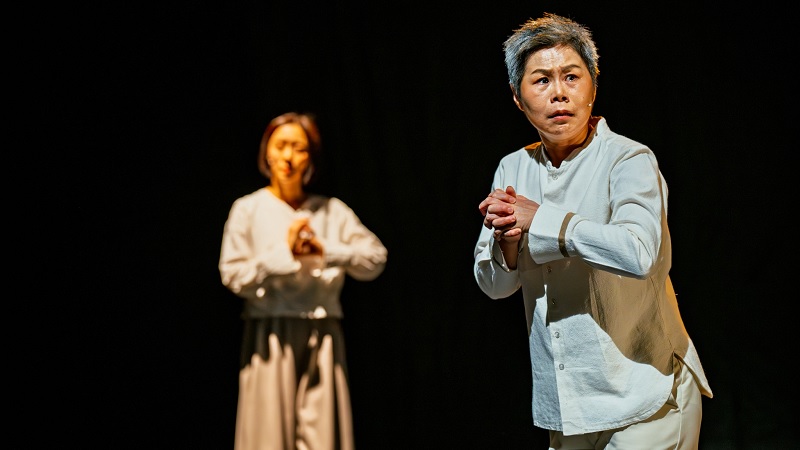
[A scene from "Pansori Theater Shim Cheong" (Jeonju International Sori Festival)]
This September, Seoul hosted the first World Traditional Opera Festival, a month-long showcase of heritage-based musical theatre from Korea, China and Japan. Running from 3 to 28 September at the National Theater of Korea, the festival explored how traditional forms could be reimagined for modern stages.
At the heart of the programme was changgeuk, Korea’s operatic counterpart to pansori — the narrative singing tradition recognised by UNESCO as Intangible Cultural Heritage. Where pansori relied on a lone singer and drummer to tell a sweeping tale, changgeuk distributed roles across multiple singers, creating full theatrical productions.
Guided by the season slogan “Together, Further,” the National Theater aimed to “capture global attention” with this launch, said CEO Park In-gun at the time. Yu Eun-seon, artistic director of the National Changgeuk Company, described it as “another signature festival for the National Theater, alongside Yeowoorak.”
Reinterpreting tradition
Under the theme “Focusing on the East”, the programme blended reinterpretations of Korea’s classics with visiting works from China and Japan. Nine productions were staged: four original works from the National Theater, two invited Korean shows, and three international collaborations.
The festival opened with “Pansori Theater Shim Cheong” (3–6 Sept), a bold retelling of the classic tale of a devoted daughter, directed by Europe-based opera director Yona Kim. Other in-house works included “Through Tender Eyes” (4–7 Sept), told from the perspective of a nameless dog; “Mr. Rabbit’s Journey to the Underwater Palace” (25–26 Sept), a concert-style reworking of the pansori Sugung-ga; and the Changgeuk Playwright Project Showcase (27–28 Sept), which presented new scripts in development.

Independent Korean troupes added further colour. Pansori Azit Nohlaebox staged Tale of Two Goddesses (6–7 Sept), a one-woman performance weaving Jeju shamanic myth with pansori, folk and jazz. Creative Team Taroo performed The Tale of Jeong Su-jeong, adapted from a late-Joseon novel that placed a pioneering female hero centre stage.
Voices from China and Japan
International highlights brought fresh perspectives on tradition. From Hong Kong, the Arts Festival’s 2023 production “Love in the Bamboo Grove” (12–13 Sept) introduced audiences to Cantonese opera. Written by Raymond To Kwok-wai and performed by rising stars of the genre, the three-hour drama traced love and loss through the descendants of the legendary Seven Sages.
Japan’s Nogaku troupe Noh Fu Ka contributed two productions. Manghanga (17–18 Sept), a newly written noh play, revisited Japan’s colonial history through the grief of a Korean woman whose husband was forced into wartime labour. Performed with four antique noh masks more than 600 years old, the piece incorporated Korean nongak percussion to evoke the sound of longing. Director-performer Shimizu Kanji acknowledged the sensitivity of staging such a story in Seoul: “Forced labour remains unresolved in reality, which is why we felt compelled to address it onstage.”

The troupe also presented Noh and Kyogen (19–20 Sept), offering audiences a rare glimpse of noh’s solemn masked drama alongside kyogen’s comedic interludes. Together, they embodied the essence of Japan’s classical stage traditions.
Beyond heritage
By placing changgeuk alongside Cantonese opera and noh, the festival positioned Korea’s relatively young operatic form in dialogue with centuries-old traditions from its neighbours. The aim, said organisers, was not only preservation but reinvention — exploring how heritage could remain alive in contemporary performance.
As Yu Eun-seon put it during the festival: “At its core, this was a platform for exploring the present and future of global musical theatre.”
Reception and impact
The inaugural edition drew strong attendance, with several productions reporting near sell-out audiences and lively post-show discussions. Critics praised the bold programming, particularly the willingness to tackle sensitive historical themes alongside reinterpretations of beloved classics. International coverage in regional media also highlighted the festival’s role in positioning Seoul as a hub for cross-cultural dialogue through performance.
With its successful debut, the World Traditional Opera Festival established a foundation for continued exchange between Korea and its neighbours — and set high expectations for future editions.
Source: Korea Herald